The New Titans: Rising Geopolitical Powers of the 21st Century
The 21st century has been marked by seismic shifts in global power. As old superpowers grapple with internal divisions and strategic overreach, a new set of countries has emerged, reshaping international relations in ways that were barely conceivable a few decades ago. From economic dominance to military influence and technological prowess, these nations have rapidly ascended the geopolitical hierarchy, forcing the world to rethink power dynamics.
China: The Relentless Challenger

Perhaps no country has transformed its global standing more than China. Once a regional power overshadowed by Western dominance, China is now the second-largest economy and a military powerhouse. The Belt and Road Initiative (BRI) has allowed Beijing to wield unprecedented influence across Asia, Africa, and even parts of Europe, effectively redrawing trade routes and alliances. Meanwhile, China’s assertiveness in the South China Sea, its technological advancements in AI and quantum computing, and its strategic partnership with Russia have cemented its role as a counterweight to U.S. hegemony.
India: The Rising Giant

India’s meteoric rise is one of the most compelling stories of the 21st century. With a burgeoning economy, a tech-savvy workforce, and a demographic dividend that could sustain growth for decades, India is positioning itself as a major player on the world stage. Its strategic partnerships with the U.S., Japan, and Australia in the Indo-Pacific, coupled with its increasingly assertive stance against China, have made it a pivotal power in global geopolitics. Moreover, India’s space program, its leadership in digital infrastructure, and its growing influence in multinational forums signal a country that is no longer content to be a secondary player.
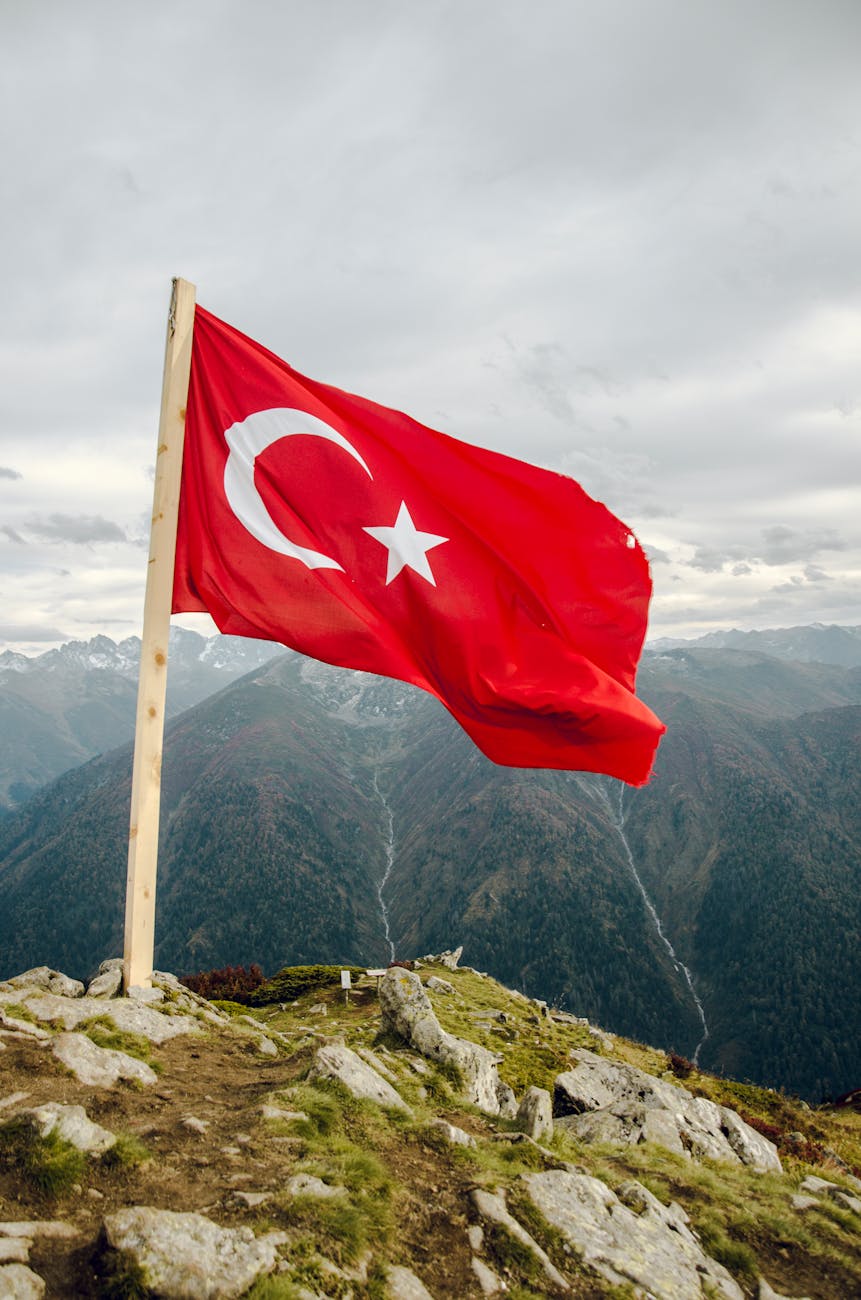
Turkey: The Neo-Ottoman Resurgence

Few nations have redefined their geopolitical role as dramatically as Turkey. Under the leadership of President Recep Tayyip Erdoğan, Turkey has pursued an aggressive foreign policy, intervening in conflicts from Syria and Libya to the Caucasus. Once a staunch NATO ally, Turkey now plays a balancing act between the West and Russia, leveraging its unique geographic position. Its defense industry, particularly the success of its drone program, has made Turkey a formidable military power with influence stretching from the Middle East to Central Asia.
Brazil: The Sleeping Giant Awakens?

Brazil has long been considered a potential superpower, but in the 21st century, it has begun to truly flex its geopolitical muscles. As the largest economy in Latin America, Brazil has played a key role in BRICS, pushing for a more multipolar world order. Its vast natural resources, from the Amazon to its deep-sea oil reserves, make it a critical player in global energy markets. However, internal political instability and economic fluctuations have hindered its full rise. Still, with its strategic location and growing regional influence, Brazil remains a country to watch.
Saudi Arabia: The Middle Eastern Powerhouse

Saudi Arabia has transitioned from a petro-state dependent on U.S. military protection to an assertive geopolitical force. Under Crown Prince Mohammed bin Salman, the kingdom has launched Vision 2030, an ambitious plan to diversify its economy and reduce its reliance on oil. Meanwhile, its interventions in Yemen, its role in reshaping the Gulf Cooperation Council, and its deepening ties with China and Russia have made Saudi Arabia a key player in global affairs. Its recent normalization efforts with Israel and its role in OPEC+ negotiations further highlight its growing geopolitical weight.
Nigeria: Africa’s Rising Power

As the most populous country in Africa and one of the continent’s largest economies, Nigeria’s rise has significant global implications. With its booming tech sector, growing oil exports, and strategic influence within the African Union, Nigeria is emerging as a leader in regional and even international politics. Its role in counterterrorism efforts against Boko Haram, its vast youth population, and its increasing partnerships with global superpowers signal that Nigeria is set to play an even larger role in shaping Africa’s future.
The Future of Global Power
The 21st century has proven that geopolitical power is no longer static. The rise of these nations challenges the old world order dominated by the U.S. and Europe, ushering in an era of multipolarity where influence is distributed among a wider array of players. As these emerging powers continue to shape international politics, alliances will shift, conflicts will emerge, and the balance of power will remain in flux.
One thing is certain: the world as we knew it is gone. The question now is, who will define what comes next?
Leave a Reply