Tracing Your Irish Roots: A Genealogy Travel Guide for Americans Visiting Ireland
For countless Americans, the emerald thread of Irish ancestry runs deep. With over 30 million U.S. citizens claiming Irish heritage, Ireland has become a pilgrimage destination for those seeking to reconnect with their roots. But where do you begin once you arrive on Irish soil?
Whether you’re a seasoned genealogist or just beginning your family history journey, this guide will help you make the most of your time in Ireland as you trace your lineage back through the generations.
1. Start at Home: Do Your Homework Before You Go

Before booking your flight, gather as much information as you can from U.S. sources:
- Family Documents: Birth, marriage, and death certificates; naturalization papers; church records; family bibles.
- Census and Immigration Records: U.S. Census returns, ship manifests (especially from Ellis Island or Castle Garden), and passport applications can contain critical place names.
- Oral Histories: Talk to older relatives—names, nicknames, and family stories may hold hidden clues.
The golden key to Irish genealogy is locality. Knowing the county, and ideally the parish or townland, your ancestors came from will open doors in Ireland.
2. Visit Ireland’s Major Genealogy Centers

Once in Ireland, your first stop should be a Genealogy Research Center, especially if you’re not sure where your ancestors lived.
The National Library of Ireland (Dublin)
- Houses Catholic parish registers on microfilm.
- Offers free genealogical consultations (book in advance).
The General Register Office (GRO) – Dublin or Roscommon
- Source for birth, marriage, and death records since 1864 (and some non-Catholic marriages from 1845).
National Archives of Ireland (Dublin)
- Contains 1901 and 1911 census returns, valuation records, and wills.
Public Record Office of Northern Ireland (PRONI) – Belfast
- A treasure trove for those with roots in Northern Ireland, including land records, church records, and estate papers.
3. Go Local: County and Heritage Centers

Each county in Ireland has a heritage center or local studies library. These institutions often maintain unique collections not found in national archives—school registers, graveyard transcriptions, and local newspaper archives.
When contacting local centers, provide:
- Full names (and variations)
- Approximate dates
- Religion
- Known addresses or townlands
Pro tip: Irish surnames often have multiple spellings. Don’t dismiss records that are a letter off—they may still belong to your family.
4. Explore Church and Land Records

- Catholic Parish Registers (up to the 1880s): Available online at the National Library of Ireland’s website.
- Church of Ireland Records: Scattered holdings—some are in local churches, others at the Representative Church Body Library in Dublin.
- Griffith’s Valuation (1847–1864): An essential land survey available online; useful for locating ancestors who lived before formal census records.
- Tithe Applotment Books (1820s–1830s): Pre-famine era tax records, especially helpful for rural ancestors.
5. Walk the Ground: Visiting Your Ancestors’ Hometown

There is nothing like standing in the village your ancestors once called home. Here are some ways to enrich your experience:
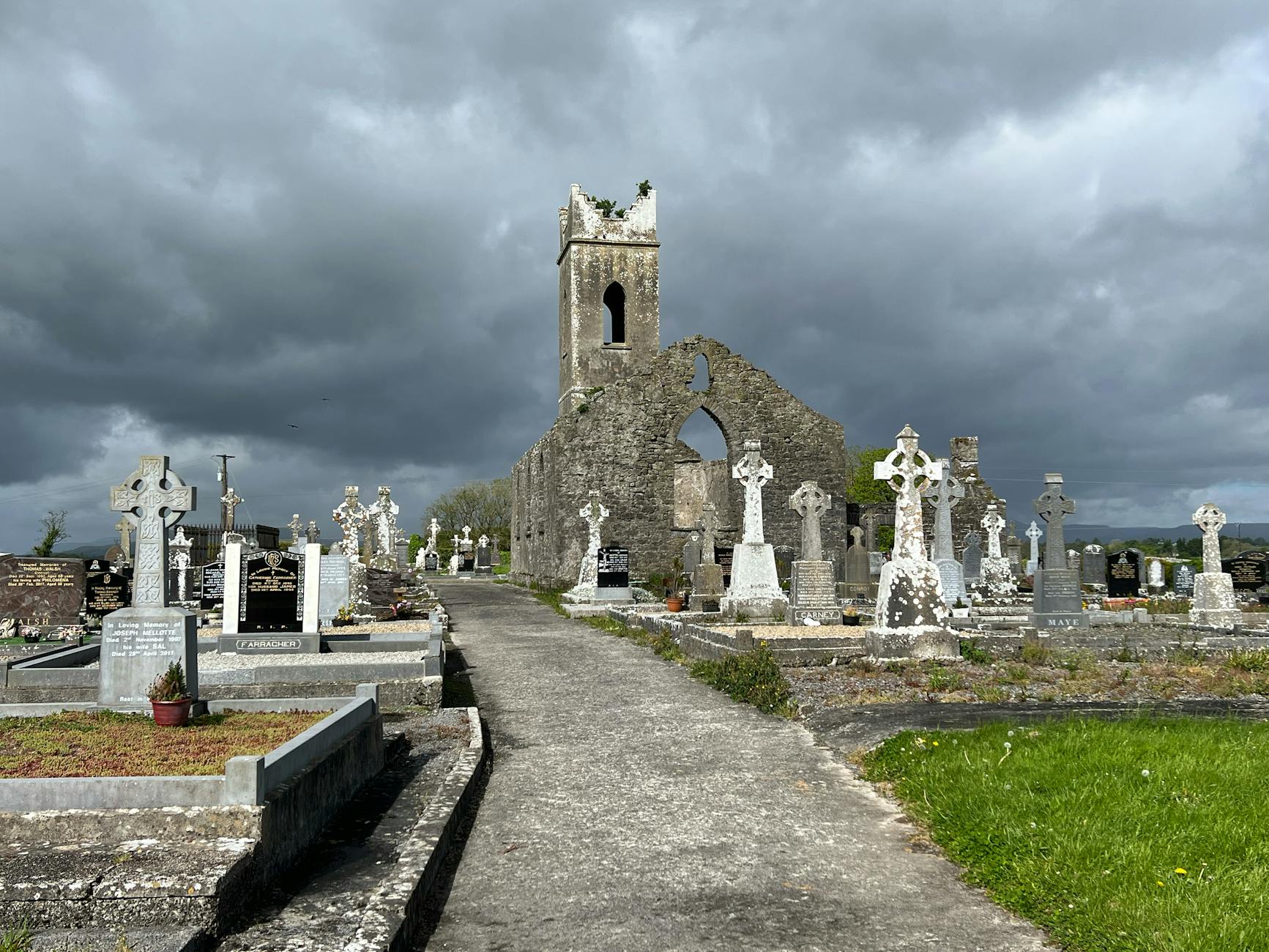
- Cemetery Visits: Headstones can reveal generations of family members.
- Church Attendance: Attend a service in your ancestral church.
- Connect with Locals: Local historians and older residents may have valuable oral history.
- Check Property Records: Townlands rarely change names. Visit the local land registry or even walk the area using old maps.
6. Digital Tools and Online Resources
Even while in Ireland, you’ll benefit from using these digital resources:
- IrishGenealogy.ie – Civil records and church records (free)
- RootsIreland.ie – Subscription site with church and civil records indexed by county
- Findmypast.ie and Ancestry.com – Large collections with growing Irish data
- AskAboutIreland.ie – For accessing Griffith’s Valuation with interactive maps
7. Hire a Local Genealogist (If Needed)
If you hit a brick wall or need help navigating local records, consider hiring a professional genealogist. Many specialize in specific counties or surname groups and can access private collections or local knowledge not found online.
Final Thoughts: Patience, Perseverance, and a Touch of Luck

Irish genealogy is an adventure rich in discovery but often full of detours—burned records, common surnames, and fragmented archives can make the journey complex. But with preparation, a sharp eye, and a little Irish luck, the reward is worth the effort.
There’s something magical about walking the roads your ancestors once traveled, hearing their dialect in the wind, and finding your family’s story tucked in a dusty ledger in a parish office. Genealogy in Ireland is not just about records—it’s about reconnection.
So pack your notebook, your curiosity, and your camera. Ireland is waiting to tell you your story.
Have you traveled to Ireland for family history research? Share your experience and tips in the comments below!
Leave a Reply